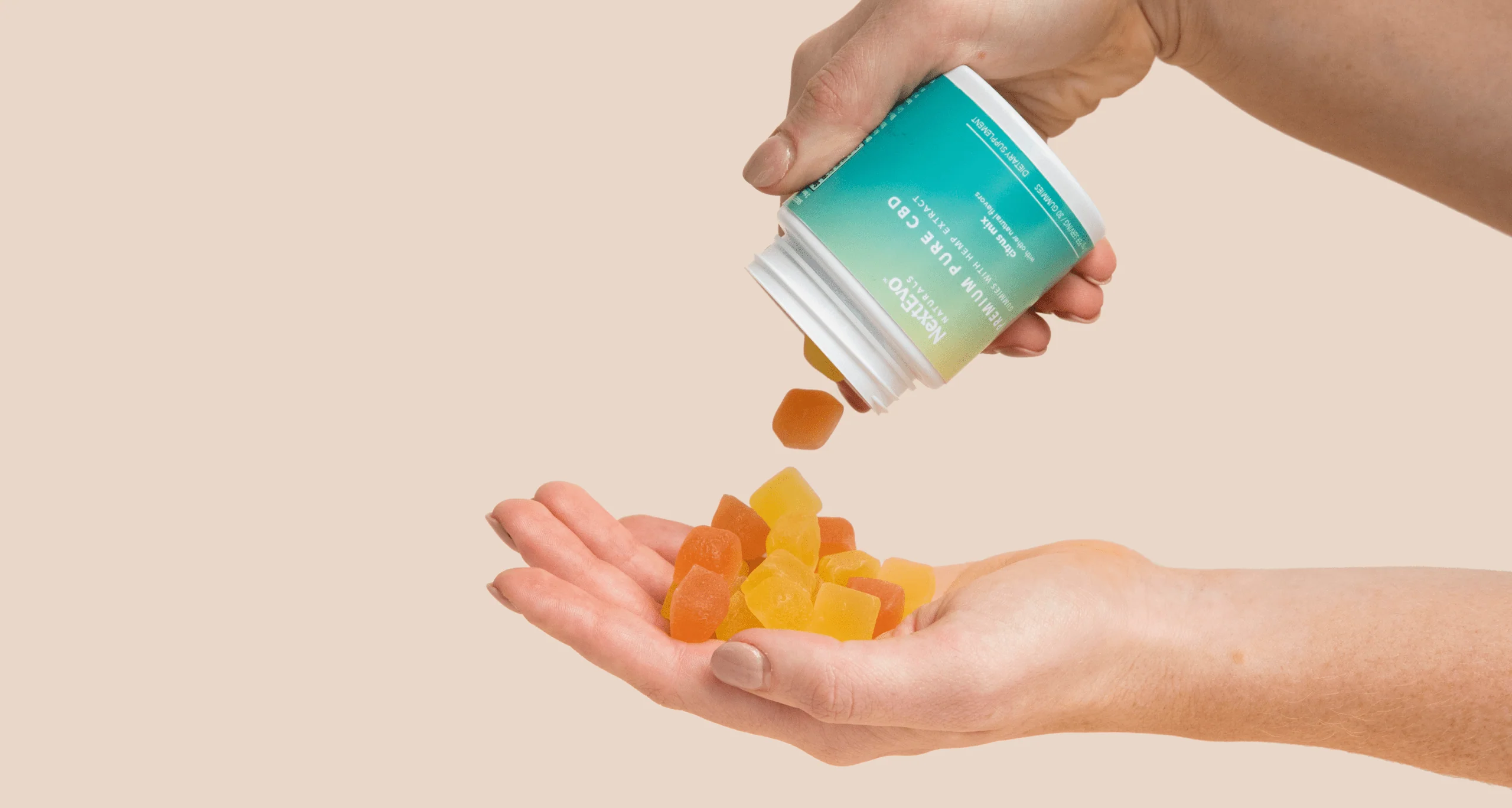
Depression is a serious mental health condition that affects millions of people worldwide, often making daily activities feel overwhelming and challenging. While traditional treatments such as therapy and medications are widely used, many individuals are turning to alternative therapies to help manage their symptoms. One such alternative that has gained considerable attention in recent years is CBD (cannabidiol). CBD gummies, a convenient and tasty way to consume CBD, are now a popular choice for those seeking to alleviate symptoms of depression. But can CBD gummies really help with depression? Let’s explore the potential benefits, risks, and the science behind this treatment.
Understanding CBD and Depression
CBD is a compound found in the cannabis plant, but unlike THC (tetrahydrocannabinol), it is non-psychoactive, meaning it doesn’t produce a “high.” Over the past decade, CBD has been studied for its potential therapeutic properties, including its ability to reduce anxiety, stress, and pain. Early research also suggests that CBD may have antidepressant-like effects, making it a potential option for individuals struggling with depression.
Depression is characterized by persistent feelings of sadness, hopelessness, and a lack of interest in activities once enjoyed. It can affect the way a person thinks, feels, and behaves, leading to physical symptoms such as fatigue, changes in appetite, and difficulty sleeping. While the exact causes of depression are still being studied, it is believed to result from a combination of genetic, environmental, and psychological factors. The brain’s chemistry, including levels of neurotransmitters like serotonin, dopamine, and norepinephrine, plays a crucial role in regulating mood. Disruptions in these chemicals are often linked to the development of depression.
How CBD Gummies Might Help with Depression
CBD gummies work by interacting with the body’s endocannabinoid system (ECS), which helps regulate various functions such as mood, sleep, appetite, and pain. The ECS consists of receptors located throughout the body, including the brain. CBD has been shown to influence these receptors, potentially helping to restore balance in the brain’s chemistry.
- Boosting Serotonin Levels:
One of the key mechanisms believed to underlie CBD’s potential to help with depression is its effect on serotonin. Serotonin is a neurotransmitter that plays a major role in regulating mood, and low serotonin levels have been associated with depression. While CBD doesn’t directly increase serotonin production, some studies suggest it may act as a serotonin receptor agonist, meaning it could help the brain respond better to serotonin signals. This may contribute to a more balanced mood and reduced symptoms of depression. - Reducing Stress and Anxiety:
CBD has been shown to have anxiolytic (anxiety-reducing) effects, which may be particularly beneficial for individuals who experience both anxiety and depression. Since stress and anxiety often exacerbate feelings of depression, managing these symptoms could have a positive impact on overall well-being. Research has found that CBD may reduce the physiological and psychological symptoms of anxiety by influencing receptors in the brain responsible for regulating stress responses. For people with depression who also suffer from anxiety, cbd gummies may offer a natural way to manage both conditions simultaneously. - Improving Sleep:
Sleep disturbances, such as insomnia or excessive sleeping, are common symptoms of depression. CBD has been studied for its ability to improve sleep quality by helping to regulate the sleep-wake cycle. By promoting relaxation and reducing anxiety, CBD may help individuals with depression get more restful sleep, which is crucial for mood regulation and overall mental health. With better sleep, individuals may find that their symptoms of depression become more manageable. - Anti-inflammatory Effects:
There is growing evidence that inflammation in the brain may contribute to the development of depression. CBD has demonstrated anti-inflammatory properties, which could help reduce inflammation in the brain and potentially alleviate symptoms of depression. By decreasing brain inflammation, CBD gummies may offer another avenue for improving mental health in people with depression.
Research and Evidence
While the use of CBD for depression is still a relatively new area of research, several studies have explored its potential benefits. A 2018 review published in Frontiers in Immunology highlighted that CBD has antidepressant-like effects in animal models, and there is some evidence to suggest that it may have similar effects in humans. Another study published in Neurotherapeutics in 2015 found that CBD could have an anxiolytic and antidepressant effect, though the exact mechanisms remain unclear.
However, more clinical trials are needed to determine the long-term efficacy and safety of CBD gummies for treating depression. It’s important to note that while CBD shows promise, it should not be considered a replacement for conventional treatments like therapy and antidepressant medications unless recommended by a healthcare professional.
Is CBD Safe for Everyone?
CBD is generally considered safe for most people, with few side effects. Common side effects may include drowsiness, dry mouth, and changes in appetite or mood. However, because CBD interacts with the liver enzymes responsible for metabolizing certain medications, individuals taking other medications should consult their doctor before using CBD to avoid potential drug interactions.
Another consideration is that the quality of CBD products can vary widely. It’s important to choose CBD gummies from reputable sources that provide third-party lab testing to ensure the product is free from contaminants and contains the stated amount of CBD.
Conclusion
CBD gummies have gained popularity as a natural remedy for a variety of health issues, including depression. While early research is promising, it’s important to approach CBD with realistic expectations. CBD may not cure depression, but it could offer some relief from its symptoms, particularly when combined with other forms of treatment. If you’re considering using CBD gummies to manage depression, it’s essential to consult with a healthcare provider to determine if it’s appropriate for your specific situation. As with any supplement, choosing high-quality, trusted products is key to achieving the best possible outcomes.