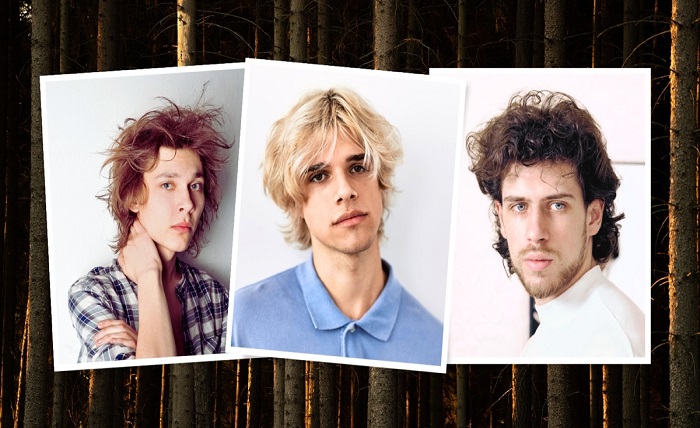
The wolfcut is a bold and edgy hairstyle that has taken the world by storm. Combining elements of the shag haircut and the mullet, the wolfcut is characterized by its choppy layers, textured ends, and voluminous crown. Unlike traditional hairstyles, the wolfcut offers a versatile look that suits a variety of face shapes and hair types. This trend has gained immense popularity among celebrities, influencers, and fashion enthusiasts. Whether you want a dramatic look or subtle texture, the wolfcut allows for creativity and personal expression. read more wolf cut hair
In essence, the wolfcut merges retro aesthetics with modern styling techniques, making it a hairstyle that is both timeless and contemporary. Social media platforms like TikTok and Instagram have further accelerated the wolfcut craze, with countless tutorials, transformations, and styling tips available to fans worldwide. Anyone considering a hairstyle change will find that the wolfcut offers a balance between boldness and manageability.
History and Evolution of the Wolfcut
The origins of the wolfcut can be traced back to the classic shag haircut of the 1970s, popularized by rock stars and icons of the era. Over time, hairstylists began incorporating elements of the mullet, resulting in a hairstyle that is now known as the wolfcut. Its name derives from the wild, untamed appearance that resembles a wolf’s fur—messy, layered, and full of character.
Throughout the decades, the wolfcut has evolved to suit modern tastes. Early versions focused on heavy layers and drastic silhouettes, while today’s wolfcut emphasizes texture, lightness, and a more natural flow. Celebrities such as Lady Gaga, Miley Cyrus, and K-pop idols have contributed to the global fascination with the wolfcut, making it a symbol of edgy fashion and individuality. As a hairstyle that blends retro charm with contemporary flair, the wolfcut continues to capture the imagination of hairstylists and trendsetters alike.
Who Can Rock a Wolfcut? Face Shapes and Hair Types
One of the best features of the wolfcut is its versatility. Whether you have straight, wavy, or curly hair, the wolfcut can be adapted to suit your hair type. For individuals with thin hair, the wolfcut adds volume and texture, making the hair appear fuller. Those with thick hair can benefit from the layered structure of the wolfcut, which reduces bulk and creates a more manageable shape.
Face shape is another factor to consider when choosing a wolfcut. Oval faces can pull off almost any variation of the wolfcut, while round faces benefit from longer layers that elongate the appearance of the face. Square faces can soften their jawline with textured edges in a wolfcut, and heart-shaped faces can balance their features with shorter layers around the forehead and longer layers in the back. No matter your hair type or face shape, the wolfcut offers a customizable solution for a bold, fashionable look.
Styling Tips for Your Wolfcut
Styling a wolfcut requires the right products and techniques to achieve its signature messy and voluminous appearance. Start by applying a texturizing spray or mousse to damp hair before blow-drying. This enhances natural volume and creates the tousled texture typical of a wolfcut. Using a diffuser attachment for curly or wavy hair can further enhance the hairstyle’s natural movement.
Heat styling tools can also be used to refine the look of a wolfcut. Curling irons, flat irons, and crimping tools allow you to create soft waves, flicked ends, or spiky textures that define the layers. Regular trims are essential for maintaining the shape and structure of a wolfcut, preventing split ends, and keeping the style fresh. Accessories such as hair clips or scrunchies can add an extra edge to your wolfcut, allowing you to personalize the hairstyle for different occasions.
Maintenance and Care for a Wolfcut
While the wolfcut is relatively low-maintenance compared to other complex hairstyles, proper care ensures that it remains stylish and healthy. Regular trims every 6-8 weeks help preserve the layered structure of a wolfcut. Using sulfate-free shampoos and lightweight conditioners can maintain the natural texture without weighing the hair down.
Deep conditioning treatments and hair masks are recommended for individuals with dry or damaged hair, as the layers of a wolfcut are more prone to tangling. Nighttime care, such as loosely braiding or using a silk pillowcase, can prevent frizz and maintain the hairstyle’s volume. By following these maintenance tips, anyone with a wolfcut can enjoy a vibrant, dynamic look that lasts longer and looks effortlessly chic.
Wolfcut Variations: Choosing the Right Style
The wolfcut comes in multiple variations, allowing for a personalized approach to this bold hairstyle. A classic wolfcut features medium-length layers and choppy ends, providing a balanced, versatile look. Shorter wolfcuts offer a more daring, punk-inspired aesthetic, while longer versions allow for soft waves and romantic textures.
Coloring techniques also enhance the appeal of a wolfcut. Balayage, highlights, and bold color streaks accentuate the layers, creating depth and dimension. For those seeking a dramatic statement, pastel or neon shades can transform a standard wolfcut into a striking, attention-grabbing style. The adaptability of the wolfcut ensures that it can suit a variety of personal styles, from edgy and rebellious to soft and whimsical.
Celebrity Inspirations and Pop Culture Impact
Celebrities have played a pivotal role in popularizing the wolfcut in recent years. Stars like Miley Cyrus, Zendaya, and K-pop idols have been spotted with their own unique takes on the wolfcut, inspiring fans to experiment with the hairstyle. Social media trends, viral TikTok videos, and Instagram transformations have made the wolfcut a go-to hairstyle for individuals seeking a bold yet stylish look.
Pop culture has embraced the wolfcut as a symbol of individuality and rebellion. It represents freedom from conventional hairstyles and encourages self-expression. From red carpet events to street fashion, the wolfcut has proven its versatility and staying power. For anyone seeking inspiration, studying celebrity wolfcut transformations can provide guidance on choosing layers, lengths, and textures that complement personal style.
Conclusion
The wolfcut is more than just a hairstyle; it is a fashion statement that combines versatility, boldness, and individuality. Its layered structure, textured ends, and edgy appeal make it suitable for a variety of hair types, face shapes, and personal styles. With proper care and styling techniques, the wolfcut can remain fresh, trendy, and effortless to maintain.
As the hairstyle continues to evolve, the wolfcut remains a favorite among trendsetters, celebrities, and social media enthusiasts. Its adaptability and distinctive look make it an ideal choice for anyone seeking a balance between rebellion and chic elegance. Embracing the wolfcut means embracing creativity, confidence, and a fearless approach to personal style.
FAQs
Q1: How long does it take to style a wolfcut daily?
Styling a wolfcut usually takes 10-20 minutes, depending on your hair texture and the desired volume or wave effect.
Q2: Can a wolfcut be done on curly hair?
Yes, a wolfcut works beautifully on curly hair, enhancing volume and natural texture.
Q3: How often should I trim my wolfcut?
Regular trims every 6-8 weeks keep a wolfcut fresh and prevent split ends from affecting the layers.
Q4: Is the wolfcut suitable for professional environments?
Absolutely. A neat, well-maintained wolfcut can look polished and professional while retaining a modern edge.
Q5: Can I color my wolfcut?
Yes, coloring a wolfcut adds dimension. Techniques like balayage, highlights, or bold shades complement the layers perfectly.